

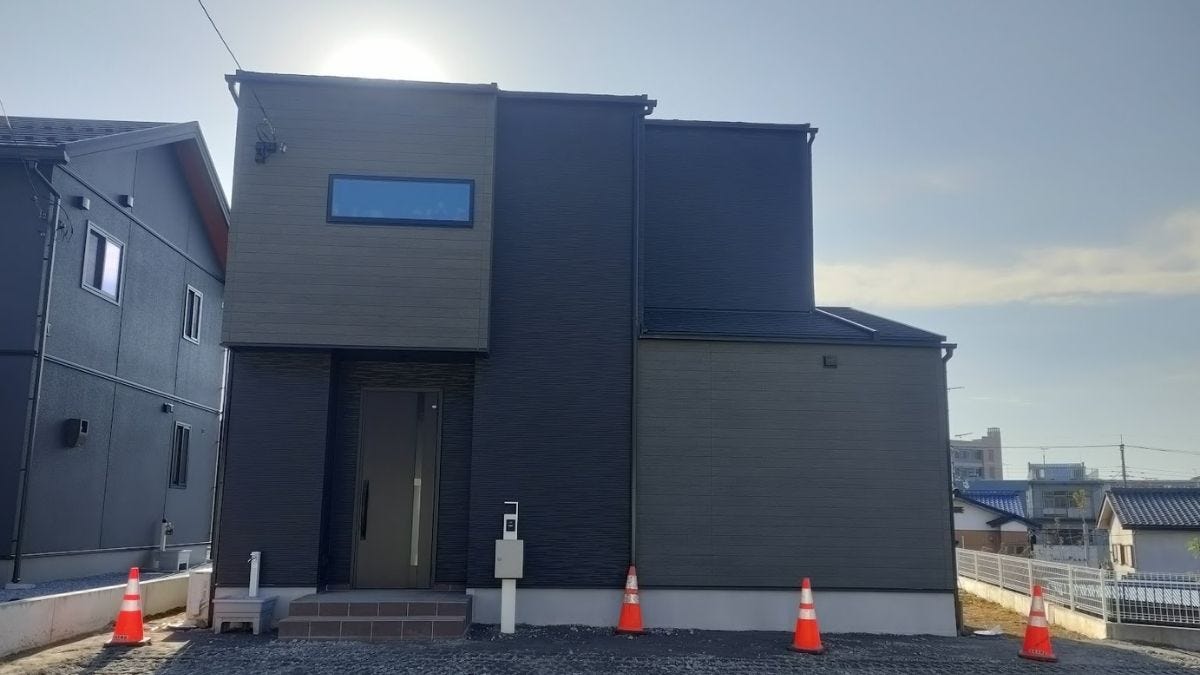
In the Sakto and Sulit Family story, we’ve learned how understanding setbacks and easements, and having the right mindset, affected their builds. The Sakto Family reaped all the benefits of following the rules and practicing good pakikisama. The Sulit Family suffered the consequences of doing the opposite.
This made us wonder, what about the many of us who are like the Sulit Family? Houses are structures we can’t just demolish and rebuild from the ground up, like our Blue Building, which stands three stories tall.
I wish I didn’t have to deal with it, but here we are. The mistakes have been made, and the next step is to address them.
If you built wrong like us and are now fixing, I hope looking into some house layouts here can help. There’s hope. Plus, understanding layouts is one way to wear the hard hat and protect yourself from being taken advantage of.
A Quick Note
These are lessons from my observation in Japan and experience with the Blue Building. What I see as strategic or as a problem might look different to an architect.
For technical advice, always consult licensed professionals. But if you want to learn from someone else’s mistakes and see things through a homeowner’s eyes, keep reading.
What Intentional Layout Looks Like
Living in Japan taught me what intentional design looks like. I don’t know about you, but I was clueless about layouts. I only became more observant when I was directly “in charge” of finishing the Blue Building.
The Bathroom Near the Entrance
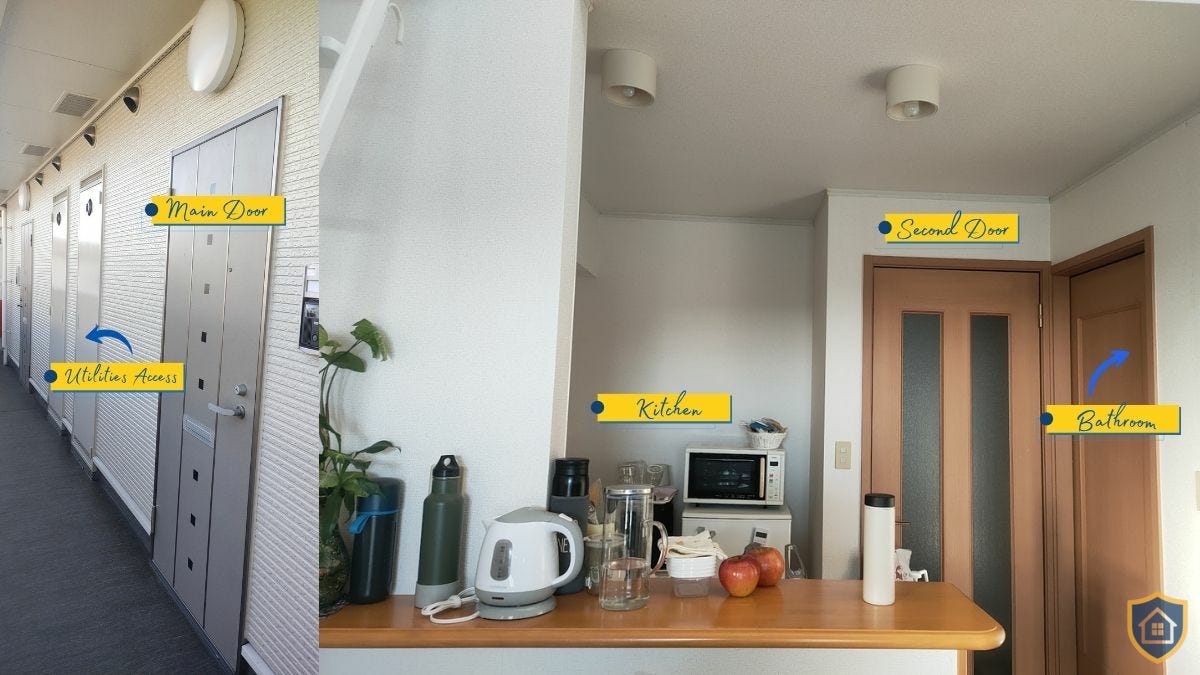
Every Japanese apartment I’ve walked into has almost the same setup. You enter, there’s an area or a closet for your shoes, then another door or a small space before you enter the main house, and on your left or right, there’s the bathroom.
Recalling the apartments I lived in in China, it was actually the same. At first, I thought bathroom placement near the entrance was just a coincidence. Now I know it’s intentional, especially for apartments. It’s also practical and works for privacy. Guests don’t have to walk through your whole place just to use the bathroom.
And there’s a separate utilities access in the hallway. Maintenance workers can reach everything they need without ever entering your living space.
When Wet Areas Stay Close
When wet areas (bathrooms, kitchen, laundry) are clustered together and stacked vertically from one floor to the next, the plumbing system becomes simpler and has shorter pipe runs. This reduces installation costs and makes maintenance easier.
If wet areas are scattered, plumbing lines become longer because water and waste pipes have to snake across the entire house. This means more materials and higher construction costs, and even more later on when something needs to be fixed.
More Flexibility for R-1
For single-detached houses (R-1), as long as the wet areas are reasonably grouped, you have more flexibility. Bathroom placement can follow whatever works for you. But if you’re planning to build an apartment, it’s better to prioritize stacking and alignment. A bathroom near the entrance also makes sense, both for functionality and privacy.
Different Types of Windows Strategically Placed
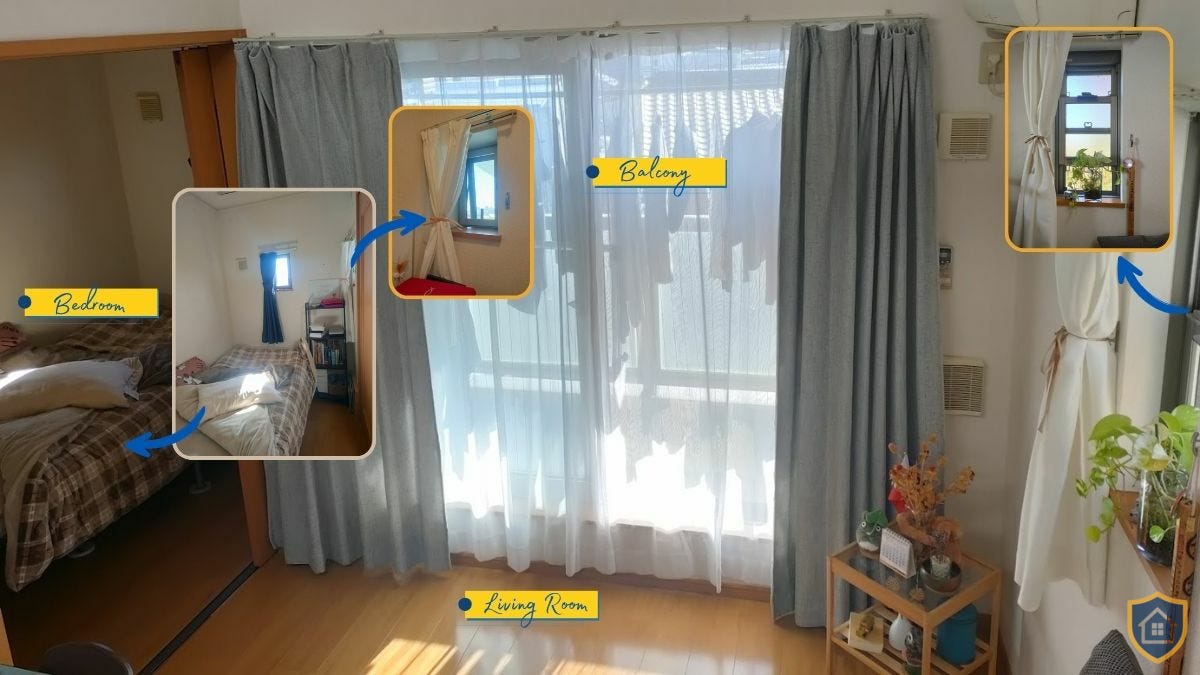
When I first entered my Japanese bare apartment, I noticed one small window on the side of the living room and two smaller windows in the bedroom. Then, there is a huge sliding window that serves as my door to the balcony. What’s up with those windows? I thought, laughing to myself as they showed me my apartment.
Only later did I realize how strategic they really were.
My big sliding window captures all the natural light. It floods the space with light and creates a focal point without windows on every wall.
The smaller windows handle ventilation, though some light still passes through. A vertical sliding window in the living room, two casement windows that open outward in the bedroom.
So, different types of windows are strategically placed to function well.
The Blank Front Wall Strategy
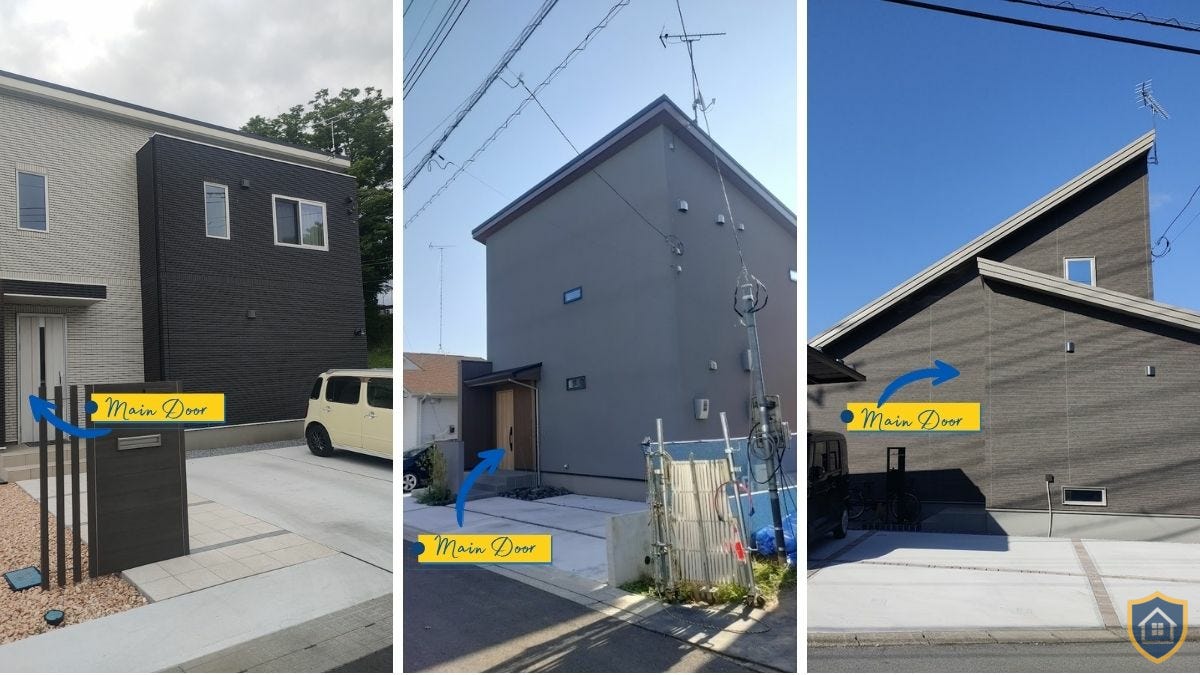
Walk through neighborhoods here with newly built houses, and you’ll see houses with clean, blank walls and almost no windows facing the road.
But not all Japanese houses are like this. Some older houses have large windows. I pass by one regularly, and the windows are never open. Well, understandable, at least their thick curtains provide some privacy. But what’s the use of having those windows in the first place?
These older designs were likely inspired by traditional Japanese houses, which had windows all around. Back then, land was abundant and neighbors were farther apart, so privacy wasn’t an issue. Large windows brought in light and air without compromise.
But as lots got smaller and houses were built closer together, that approach stopped making sense. Modern builders shifted to the blank front wall with fewer street-facing windows. This protects privacy and eliminates the need for curtains that you have to keep closed anyway.
Blue Building’s Problems and Possible Solutions
The Scattered Bathrooms
In our Blue Building, the first floor has two units with bathrooms in the middle, placed back-to-back. The second floor also has two units, but their bathrooms are at opposite ends of the building. Then on the third floor, where we stay, there’s only one bathroom, lined up vertically with one of the second-floor bathrooms. It’s complicated.
I never questioned it because, as I’ve said, I was just clueless about these things. Nobody explained why bathroom placement matters, not my dad’s contractor, not our engineer.
Working With What We Have
The Blue Building’s layout is already built, so we can’t move the bathrooms now just to stack them. We work with what we have. At least the wet areas on each floor are clustered, and that’s something we can still improve around.
Windows Without Thinking
The second floor has casement windows that open beyond our property line, facing the sidewalk and in very close proximity to our neighbors.
The newly renovated first floor has sliding and awning windows that work fine. But our sagad overhangs block light from reaching them on every side.
Our third floor has many big sliding windows on almost every wall. That was entirely my doing. I just asked for big windows because I liked them, without thinking about what that would mean for the house.
What We Can Still Do
For the windows on the second floor, I plan to adopt the blank wall strategy. No privacy from that side anyway. Two fixed windows at most, close everything else. To bring in more light, I’ll open up some walls facing our yard instead. I’ll check with a professional about which window types would work best. We might also add smaller windows on the side walls for ventilation.
For the first-floor light problem, once we remove the old house, we’ll make sure any new structure leaves enough space for light to reach some of those windows.
For our third floor, closing some of the sliding windows would be ideal. Besides, during typhoons, the wind pressure is terrifying. It’s like someone’s trying to force their way in. The second-floor changes might affect which ones make sense to keep or remove.
All of the Blue Building’s problems could’ve been avoided if we had started with a solid blueprint and a builder who actually cared. How to Get a Blueprint in the Philippines: Costs, Scenarios, and Red Flags
What Kapwa Homeowners Should Check
Plumbing Plan
Look at where the wet areas are placed. Are they clustered or scattered? Notice how long the pipe runs will be and see if there’s a way to keep them shorter.
If multi-story R-1: Do bathrooms stack vertically, floor to floor?
If single-story R-1: Are wet areas on the same side of the house?
If apartment building: Is vertical stacking of wet areas prioritized?
Red flag check: Does your engineer explain why they positioned things this way? If they just draw without explaining the impact, pause.
Windows and Privacy
Check which walls need windows and which don’t. You don’t need windows on every wall.
Think about function:
Where does main light need to come from? Where do you need ventilation? Large windows work for light, small windows for airflow, narrow vertical windows add security without grills.
For street-facing or neighbor-facing walls:
If you have a high/solid fence: Privacy is handled. Add windows as you like.
If you have a low fence or no fence: See if a blank wall or fewer windows could give you more privacy without sacrificing light.
Critical check: Verify that all windows stay within your property line. Windows that open beyond your boundary create legal problems you’ll have to fix later.
How Dishonest Builders Profit from Bad Layouts
If you don’t know what a bad layout looks like, you don’t see what’s wrong with it or who it benefits.
Scattered bathrooms = more piping = higher cost (they benefit)
More windows = more materials and labor = higher cost (they benefit)
Sagad building with no planning = mistakes you pay to fix later (they benefit)
An honest professional explains these trade-offs without being prompted. They point out when your plan will cost you more or create problems. A dishonest one just says “Sige, boss” and builds whatever, because every complication is money in their pocket.
This is why we need to learn a bit about layouts, so you know what questions to ask and what red flags to spot. This keeps you from being an easy target. “Ay may alam pala si boss, di pweding maloko.”
Intentional Architecture
Japan didn’t teach me that their architecture is better. What I learned is that architecture should be intentional. Every decision made for a reason, every layout designed to work efficiently and solve problems before they happen. The Blue Building got a lot wrong. Some we can fix, some we can’t.
I’m learning.
And when I go back to the Philippines to finish the renovations, I’ll do my best to be intentional. Not on my own, but with a professional who actually explains things and cares about homeowners.

Disclaimer: Kapwa Homeowner is not a licensed engineer, architect, or construction professional. The information shared on Construction Pulis is for educational purposes only and should not replace professional advice. Every construction project is unique, so always consult licensed professionals for your specific situation.